
Wireless Networks
Stay connected without the cords - Wireless networks for a world on the go
Wireless networks refer to computer networks that allow devices to communicate with each other wirelessly, without the need for physical connections such as cables. They use radio frequency signals or infrared waves to transmit data between devices, which can include smartphones, laptops, tablets, and other computing devices. Wireless networks have become increasingly popular in recent years, providing users with greater mobility and flexibility in their computing and communication needs. They are used in a variety of settings, from homes and offices to public spaces such as airports, cafes, and libraries. Wireless networks come in different types, such as Wi-Fi, Bluetooth, and cellular networks, each with its own characteristics and uses.
How Does Wireless Networks Work?
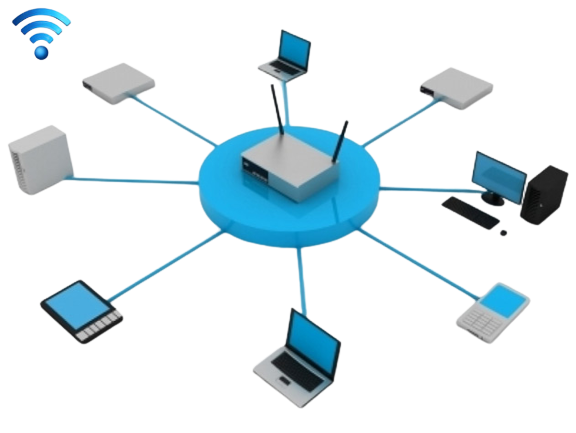
Wireless networks work by using radio waves or infrared signals to transmit data between devices. A wireless network typically consists of a wireless access point or router that connects to a wired network and transmits data to and from wireless devices.
The wireless access point or router sends out a wireless signal that is detected by wireless devices within range, such as smartphones or laptops. The wireless devices connect to the wireless network using a wireless adapter, which is built into the device or can be added as a separate device.
Once connected, the wireless devices can communicate with each other and with the wired network through the wireless access point or router. Data is transmitted over the airwaves in packets, which are received and processed by the wireless devices and the access point or router.